
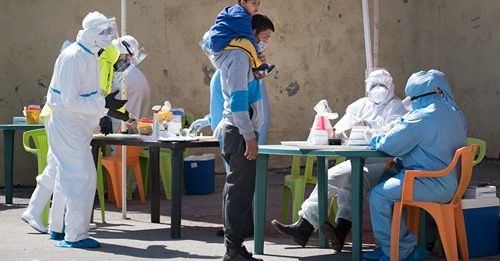
Roma in the COVID-19 crisis
Early warning for 6 countries: Bulgaria, Romania, Spain, Slovakia, Italy, Hungary EU member states Roma communities in Europe face a much higher risk of death than COVID-19, as their situation, already marked by extreme racism and poverty, has been exacerbated in the last decade. On the richest continent on Earth, 80 percent of Roma surveyed live below the at-risk-of-poverty level in their countries; about 30 percent live in an apartment without water, and every third Roma child lives in a household where one has gone to bed hungry at least once in the previous month. In just five years, between 2011 and 2016, the number of Roma children in segregated, substandard education increased by half, increasing from 10 to 15 percent. The COVID-19 crisis accelerates the worsening trend towards much higher, catastrophic figures. It is very difficult to gain quantitative insight into the situation because of two things, without established ethnic data collection systems, and specifically, with the current state of emergency in states and governments that are quick to make and change decisions in response to the spread of the virus. This briefing, therefore, is an early warning based on information gathered through the Office for Roma Initiatives from the Open Society Fund and its network of field representatives in Bulgaria, Hungary, Italy, Romania, Slovakia, and Spain. The aim is to draw EU decision-makers ‘attention to the EU Member States’ responses that are currently accelerating the oncoming disaster for millions of Roma. This disaster will affect not only Roma but also majority societies, economies, policies, and intensifying interethnic conflicts to a level not seen in the last three decades.